The Sunken Ward of Oakhaven
A slow death
1/28/20262 min read
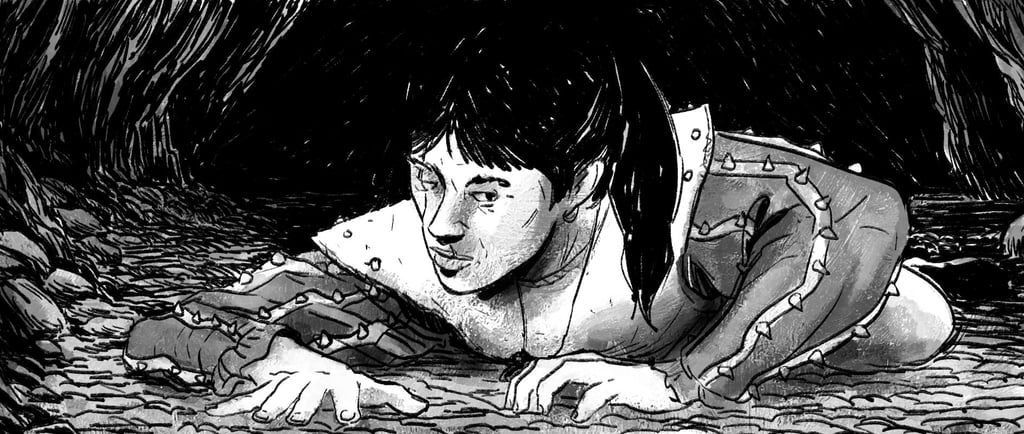
In the sprawling trade city of Oakhaven, capital of the tragically split Principality of Corania, the social order is what one would expect from a highly feudal society: the poor live in the mud and the rich live in the towers and palaces. However, in the district known as the Sunken Ward, gravity has inverted this social order.
Three centuries ago, this area was the Gilded Quarter, home to the city’s wealthiest merchant princes. They competed to build the heaviest, most ostentatious stone manors and clocktowers to display their affluence. But Oakhaven was built upon a deceptive foundation of ancient, waterlogged peat. The land could support the timber frames of the common folk, but it could not bear the weight of the nobles’ vanity. Over the course of a slow, agonizing century, the entire district began to sink. Eventually, the rich fled to the solid bedrock of the Upper Ridge, abandoning their mansions as the ground floors were swallowed by the boggy earth. Today, the Sunken Ward is a repurposed slum filled with mud and rot, with the streets having been replaced by a churning, waist-deep quagmire of sewage and peat.
As a result, life in the Ward is lived entirely vertically. The residents occupy the third and fourth stories of the sinking manors, connecting the buildings with a chaotic web of rope bridges, swaying planks, and zip-lines; it is a dizzying, precarious existence where a misstep means a fall into the suffocating muck below, but to thousands of people, this is the only home they’ve ever known.
The economy of the Ward revolves around what is known as “cellar diving”. Brave and desperate scavengers, greased with goose fat to ward off the cold and disease, dive into the submerged lower levels of the houses. They swim through flooded hallways and mud-choked ballrooms, searching for the wine cellars, strongboxes, and heirlooms the nobility were forced to leave behind in their slow-motion evacuation. It is a lucrative but deadly trade; divers frequently succumb to the pockets of explosive methane and toxic swamp gas that accumulate in the sealed, underwater rooms.
The Sunken Ward is a place of stark contrast: families living in the rotting, silk-wallpapered bedrooms of rich merchants and nobles, cooking rat-stews over fires fueled by antique furniture, all while the house slowly, inevitably, settles deeper into the hungry earth. The terrible tragedies that have befallen the country as a result of the Ahar Horde’s appearance have forced thousands of refugees to live in these terrible conditions, with no sign of relief in the horizon.
© 2026. All rights reserved.